Power BI
Semantic
Modeling
The foundation underneath your dashboards. Consistent DAX measures, proper star schema, row-level security, Direct Lake performance. Every report gives the same answer.
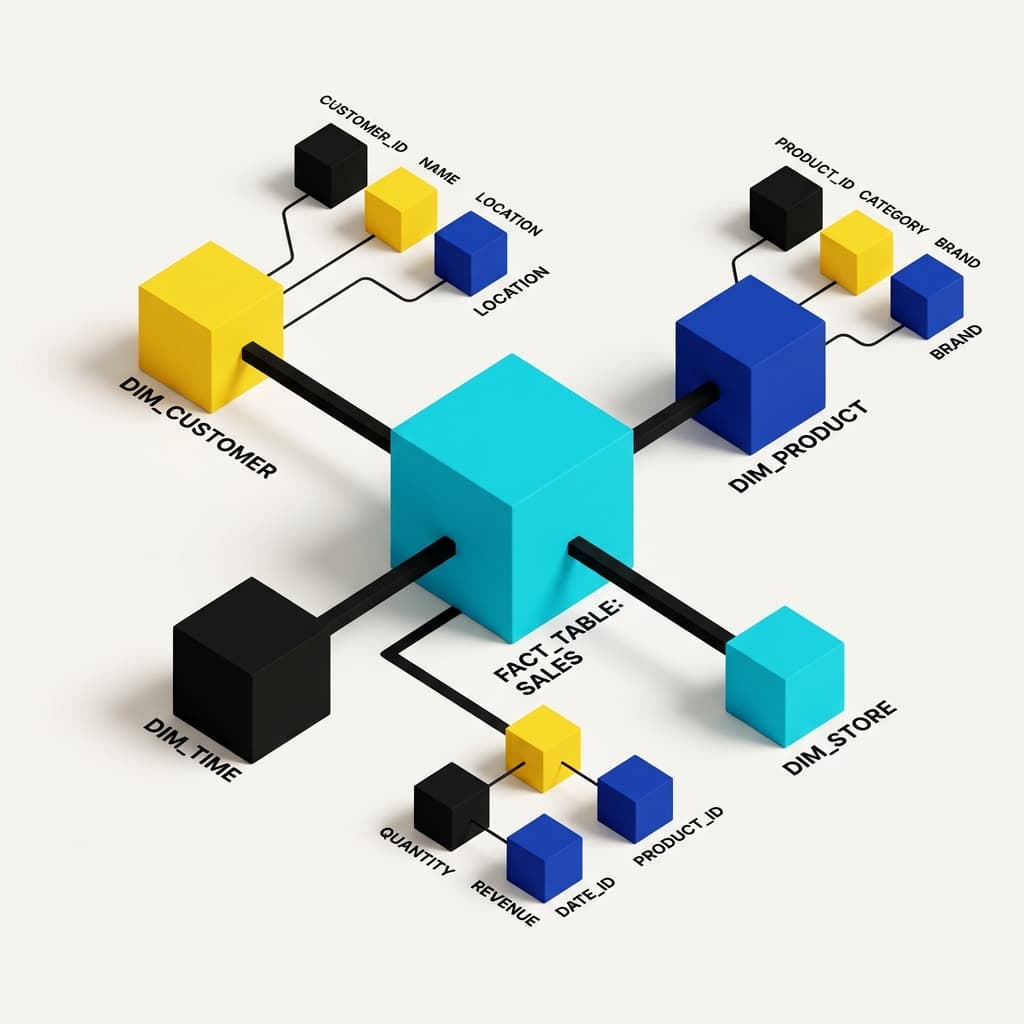
Why semantic models matter
Without a centralized model, everyone builds their own truth.
Sales $10.2M, Finance $9.8M
Both are 'correct'. Sales includes pending orders. Finance excludes returns. One uses order date, the other invoice date. Neither is wrong — but which goes in the deck?
Every Analyst Builds Their Own
15 reports, 15 connections to the warehouse. Each analyst figured out their own schema. When data model changes, 15 reports break.
"Revenue" Means 12 Things
No canonical definition. Gross revenue, net revenue, recognized revenue, booked revenue... each report picks one and labels it 'Revenue'.
Deliverables
Certified Power BI Semantic Model
A semantic model designed for your business: Star schema, correct relationships, hierarchies, and DAX measures. Certified in Power BI Service as the official source.
Business Definitions Documentation
Data dictionary documenting every measure. What's the source system? What transformations? Accessible in Power BI and standalone documents.
Row-Level Security (RLS)
Security built into the model: Sales reps see their accounts, Regional managers see their region, Executives see everything. One model, secure for all.
Performance Optimization
Model designed for fast queries: Direct Lake mode on Fabric, proper aggregations for large fact tables, and highly optimized DAX.
Our Process
Discovery & Definition
Interview stakeholders. Understand metric definitions. Identify conflicts. Align on 'official' definitions.
Schema Design
Design schema: fact tables, dimensions, relationships, measure logic. Review data model diagrams.
Build & Implement
Build in Power BI Desktop or Tabular Editor. Implement RLS, DAX measures, and formatting.
Certify & Document
Deploy to Power BI Service. Validate against source. Configure certification and train your team.
"Scalable financial reporting for 200+ clients using parameterized semantic model"
The Situation
A financial services provider managed accounting for over 200 businesses using QuickBooks. They couldn't give clients direct QBO access, build 200 reports, or share one report.
What We Built
- Centralized Data Layer via SQL Server
- Single Parameterized Semantic Model with RLS
- Self-Service Portal for secure client access
FAQ
Answers to common questions about semantic modeling and governance.